 +49 800 770 90 90
  Contact



Paper Production and Printing Industry
In the process of paper production and general printing industries, a wide range of hydraulic and pneumatic systems is deployed. Thanks to our long-time experience we are able to not only support your strategic purchases but also take over maintenace and service work.
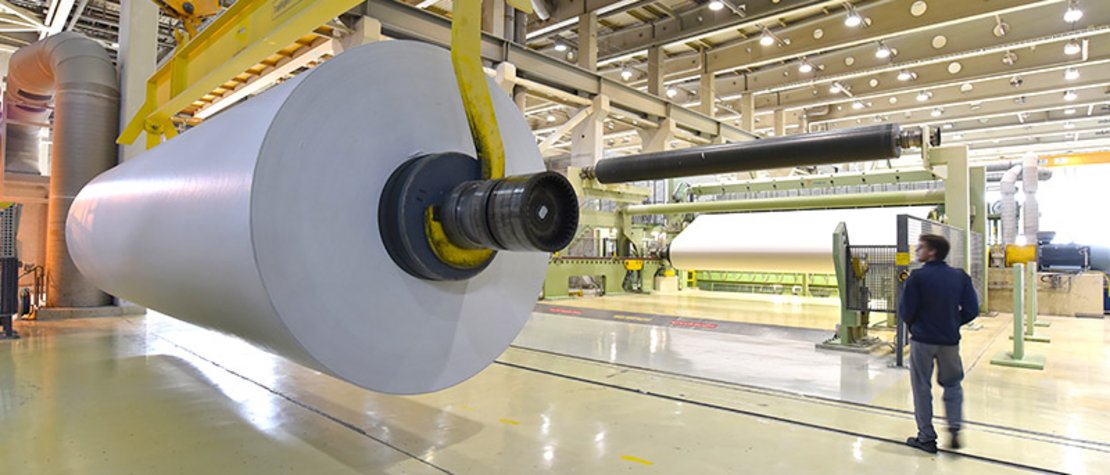
Papermaking and Printing Machines
Hydraulic and Pneumatic Systems in Papermaking
Papermaking begins with the processing of the basic raw material: pulp. The primary pulps used are groundwood pulp and recycled paper, which are shredded and transported from the storage area to the production line, often using a pneumatic suction pipe. The pulp must first undergo chemical processing. For example, recycled paper is cleaned of printing ink and other contaminants using chemicals. Pneumatically blowing air into the pulp creates a foamy mixture on the surface, in which the ink components collect and can be skimmed off.
Depending on the chemicals used, soda, sulfite, or sulfate processes are employed for the groundwood pulp. Depending on the process, the valves, hoses, and pumps used must be able to withstand heavy stress from aggressive media.
The paper pulp is then processed further in paper machines, where it is dried, pressed, and rolled into long sheets. In the drying sections, the paper ribbon passes through a number of steam-heated drying cylinders, with the steam pressure controlled by a system of pneumatic valves. Excess water is extracted from the production process and recycled. Modern paper mills have an attached wastewater treatment plant where the process water is treated and returned to the production process. Chemicals can also be filtered out and, if necessary, recycled.
In general, advanced environmental and climate control is essential for modern paper mills, as is an efficient filtration system for wastewater and exhaust gases to protect the environment and employees from pollutants and dust. The selection of appropriate filter components is just as crucial as regular, professional maintenance to prevent the unintentional release of chemicals and wastewater under all circumstances.
Printing Press
Modern printing companies primarily use offset printing, in which the medium is not printed directly using a printing plate. Instead, the ink is first transferred to a rubber blanket cylinder.
Regardless of the printing method, a constant supply of ink to the machine is essential. Sophisticated hydraulic systems ensure that the correct ink is applied in the correct quantity and at the correct location. Simultaneously, a consistent mixture of ink and dampening solution is necessary for optimal printing results, and thus indirectly, a constant humidity and temperature. Centrally controlled environmental monitoring is therefore a necessity for modern printing plants. The reliability of the pneumatic and hydraulic components used is crucial for trouble-free operation.
Depending on the printing process, entire rolls of paper can be fed into the machine, held in position hydraulically and, if necessary, advanced or unwound. The printed material is then cut to size and processed further. Alternatively, individual sheets can be inserted into a printing press using a pneumatic vacuum gripper, although this method is only suitable for limited print runs.
In any case, you can rely on our expertise in hydraulics and pneumatics. If you have any questions about the use of pneumatic and hydraulic components in paper manufacturing or printing, our team will be happy to assist you.